
Introduction
Engineering plays a critical role in successful 3D printing, but more engineering is not always better. Over-engineering can add unnecessary cost and complexity, while under-engineering can lead to failures.
The key is finding the right balance based on application needs.
What Under-Engineering Looks Like
Under-engineering occurs when parts are designed and printed without sufficient analysis. Load paths, material behavior, and usage conditions are overlooked.
This often results in weak parts, unexpected failures, and repeated rework.
The Cost of Over-Engineering
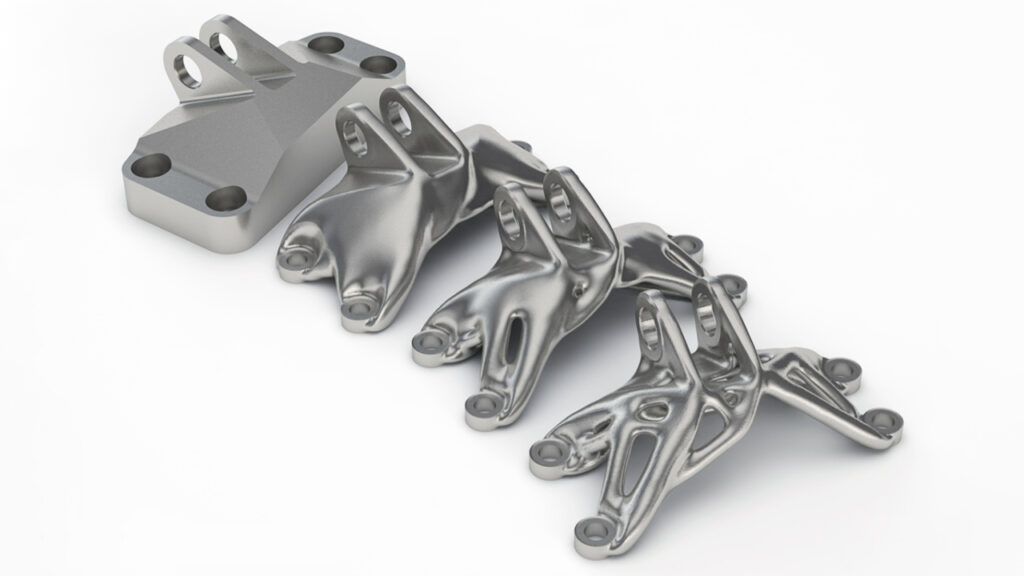
Over-engineering happens when parts are designed far beyond what the application requires. Excessive material use, unnecessary reinforcement, and overly complex designs increase print time and cost.
While the part may be strong, it may not be efficient.
Engineering Based on Actual Requirements
Balanced engineering starts with understanding real requirements. Strength, stiffness, weight, and durability are optimized based on how the part will be used.
This approach avoids both extremes by aligning design effort with functional needs.
Optimization Through Engineering Judgment
Engineering judgment helps identify where reinforcement is necessary and where material can be reduced. Simulation and review support these decisions.
Optimized designs deliver performance without waste.
Efficient Printing with Confidence
Balanced engineering improves print success and performance. Parts meet requirements without unnecessary complexity or risk.
Efficiency and reliability improve together.
Conclusion
Successful 3D printing is not about maximum engineering—it is about appropriate engineering. By avoiding both over- and under-engineering, additive manufacturing delivers efficient, reliable parts.
Balance is the foundation of good engineering.